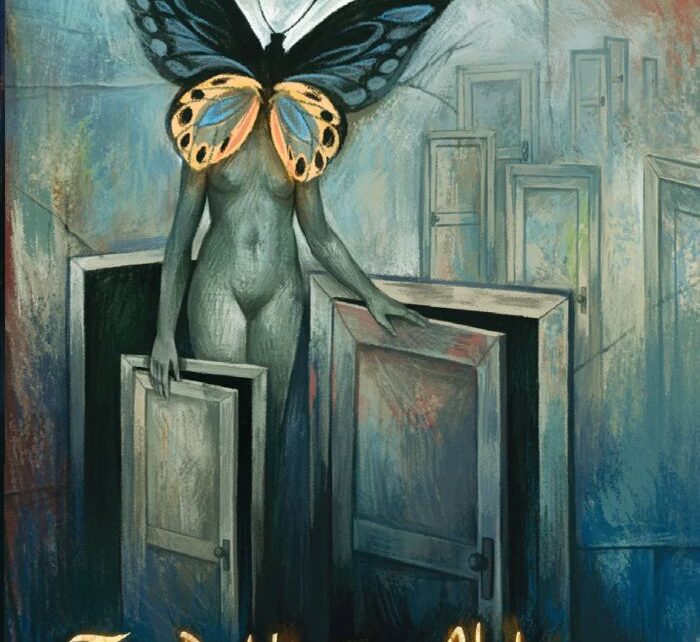
For centuries, alchemy has captivated the human imagination—summoning images of arcane laboratories, hidden wisdom, and the legendary philosopher’s stone. Yet beyond the mythic symbols lies a deeply philosophical and psychological tradition, one that Paul Kiritsis masterfully explores in his thought-provoking book The Riddle of Alchemy. Drawing on his rich academic background in clinical psychology, English literature, and the history of science, Kiritsis brings a rare interdisciplinary lens to this ancient and enigmatic practice.
In The Riddle of Alchemy, Kiritsis guides readers through the origins and evolution of alchemical thought, from the temples of ancient Egypt and the intellectual ferment of Hellenistic Alexandria to the mystical experiments of medieval Europe and the intellectual revival of the Renaissance. He paints alchemy not just as a precursor to modern science, but as a complex fusion of metallurgy, cosmology, medicine, and mysticism—where the transmutation of metals symbolized a deeper, inner transformation of the self.
Rather than simply charting a historical timeline, Kiritsis deciphers the symbolic language of alchemical texts, revealing connections to enduring philosophical and psychological truths. His analysis brings fresh meaning to alchemy’s cryptic imagery and arcane concepts, illustrating how they continue to resonate with the human search for meaning and self-understanding.
A standout aspect of the book is Kiritsis’ integration of Carl Jung’s depth psychology. He explores the Jungian view of alchemy as a metaphor for individuation—the integration of the conscious and unconscious mind. Vivid alchemical illustrations, such as those found in the Splendor Solis, are reinterpreted as expressions of the soul’s journey toward wholeness. Through this lens, alchemy becomes not a relic of the past, but a living framework for modern psychological and spiritual exploration.
Kiritsis also encourages readers to revisit alchemy’s scientific dimensions. Without straying into pseudoscience, he raises provocative questions about the limitations of a strictly materialist worldview and whether alchemical thinking might find a place in future scientific paradigms. This thoughtful blending of historical context, psychological insight, and philosophical inquiry is what sets The Riddle of Alchemy apart.
Praised by Kirkus Reviews as “a well-written, expertly researched analysis of the history and legacy of alchemy,” the book stands as a testament to Kiritsis’ depth of knowledge and passion for the subject. For anyone intrigued by the hidden layers of transformation—whether material, psychological, or spiritual—The Riddle of Alchemy offers a profound and illuminating journey.
Purchase The Riddle of Alchemy by Paul Kiritsis on Amazon here: https://www.amazon.com/Riddle-Alchemy-Paul-Kiritsis-ebook/dp/B0DM1HY2GV.